Enquiries
The 2-speed labour market and why employers shouldn’t listen to us



Employers are less likely to take advice from recruiters these days (that’s assuming they were ever particularly keen on it in the first place!). That isn’t meant as a criticism, or one of those posts about why they should listen to us more. The balance of power has shifted. We are in a hirer’s market and, naturally, that changes behaviour.
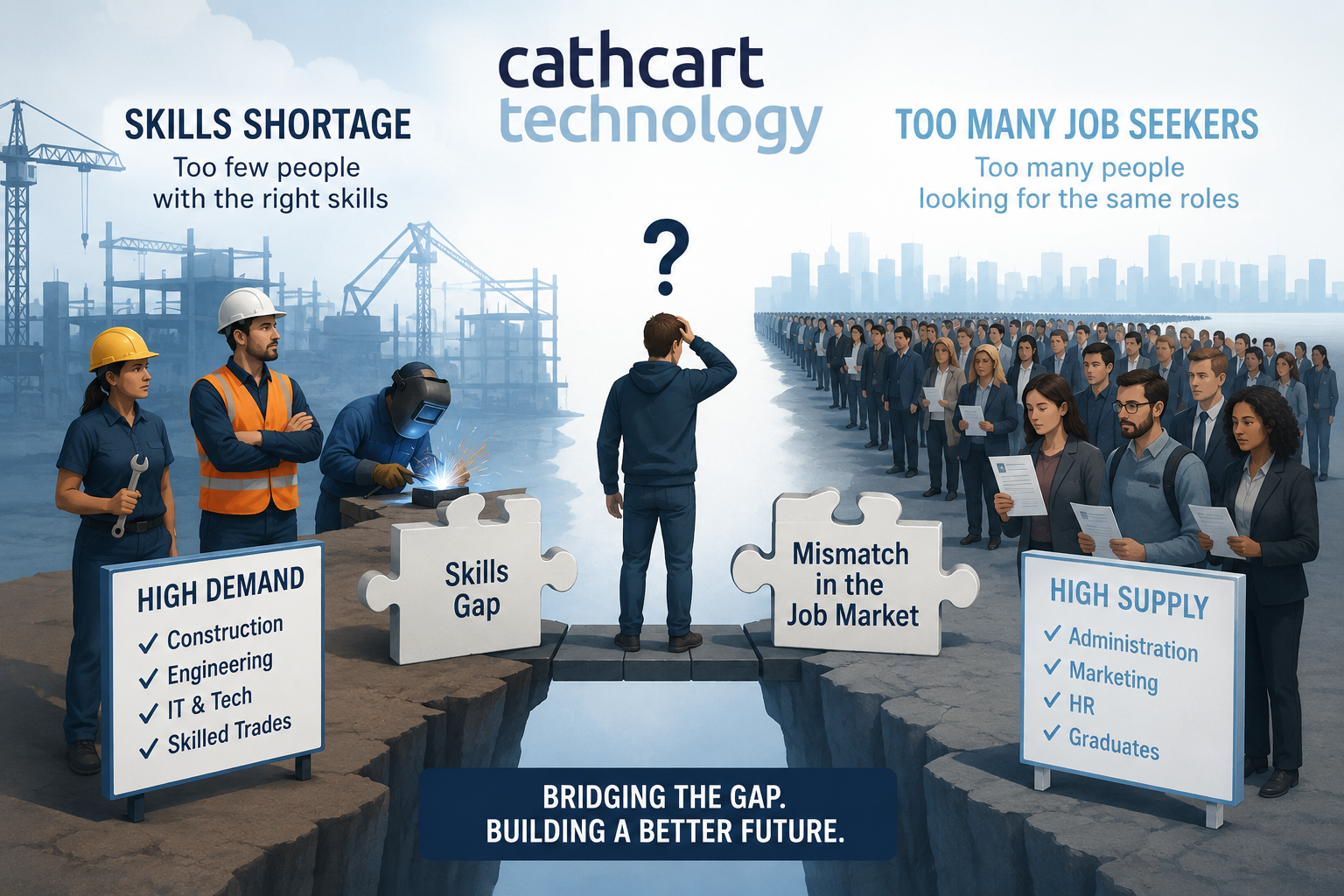
A few years ago, if we told a client their salary was too low, their interview process was too long, or their office attendance expectations were unrealistic, there was usually a strong incentive to listen. Good candidates had options and businesses knew they could lose out. Today, candidates are generally more flexible than they were in 2021 or 2022. Some will accept a lower salary than they might have previously. Some are willing to commute further. Some will tolerate a longer hiring process. Some will accept compromises simply because securing the right opportunity has become more important than maximising every aspect of the package. As a result, employers can sometimes conclude that market conditions have solved the problem. In some disciplines, perhaps they have. There are certainly areas where candidate supply has increased and employers can afford to be more selective than they could have been a few years ago. The mistake is assuming that applies everywhere. We still work on plenty of specialist software engineering, data and infrastructure roles where the candidate pool remains relatively small. The number of applications may have increased, but the number of genuinely suitable candidates often hasn’t. In those markets, the fundamentals haven’t changed as much as people think. Strong candidates still have options, specialist skills remain scarce, and the best people are rarely available for long. The companies that seem to be hiring most successfully recognise the difference. They know when they can afford to be patient, and when they need to move decisively because they’re competing for a genuinely limited talent pool. More applications doesn’t necessarily mean more talent. Sometimes it just means more applications.

Co-founder and Joint MD
Gordon Kaye
Scotland


Gordon's Opinion


Great News! We’re Now Recruiting For The Public Sector


Why Cathcart Only Hires Trainees